Table Of Contents
Children's Party Catering Trends Scottsdale Parents Are Booking in 2026
The party is going beautifully. The balloon arch survived the drive. The face painter showed up early. Fifteen kids are shrieking in the best possible way.
And on the table under the ramada, quietly, the food is having a much rougher afternoon than anyone else.
Most Scottsdale parents have lived some version of that. The theme was planned for weeks; the food was decided on Thursday. By the time the cake appears, the fruit has gone soft and half the platters sit untouched, because the seven-year-olds went back to the bounce house.
Children's party food used to be the thing you handled last. That is no longer how it works. Here is what is trending, what survives Arizona heat, and how to plan it before you book.
Why the Food Table Became Part of the Show
For decades the formula was simple. Entertainment was the event, food was fuel. Pizza, sheet cake, done.
Two things changed that. The first is a long-running shift in how households spend. Analysis of U.S. Bureau of Economic Analysis data by McKinsey shows spending on experiences climbing steadily since 1959 while spending on things has fallen. People buy moments rather than objects, and a birthday party is one of the purest versions of that purchase.
The second is that formats moved downstream from the adult event world. Interactive stations and grazing installations spent a decade becoming standard at weddings. Parents saw how well they worked and started asking for the same energy at their children's parties.
The industry has grown into the demand — US catering is a $15.7 billion market in 2026, according to IBISWorld. None of which means a party needs to be elaborate. It means the food is now something guests notice, which makes it worth deciding on before Thursday.
The Party Themes Scottsdale Parents Are Actually Asking For
Themes are not optional anymore. In a survey of 2,000 US parents conducted by OnePoll, 81% said their child asked for a specific theme. The theme is happening whether or not the menu joins in.
What is rising in 2026
Circus and big top. The clearest visual trend of the year, and one Pinterest's 2026 trend report identified as a rising aesthetic. The version that works for parties is nostalgic rather than chaotic — cream and red stripes, vintage ticket details, marquee lettering.
The backyard festival. Less a theme than a format: a small stage, a face-painting tent, bunting between trees. It suits Scottsdale properties, and food stations even better.
Seventies disco. Mirror balls, metallics, and a playlist the parents enjoy more than the kids do.
Charm and jewelry parties. Strong at the tween end, built around a make-your-own station.
Gummy and candy textures. Pinterest also flagged a fascination with springy, chewy textures for 2026, which lands straight on the dessert table.
The perennials have not gone anywhere either — unicorns, superheroes, video games, and princesses still lead requests.
What the trend data really tells you
The bigger shift is not any single theme. Parents now plan around what children will do rather than how the party photographs — which is exactly why food has become so central. A food station is an activity that happens to also be lunch.
Turning a Theme Into a Menu Without It Getting Gimmicky
Here is the trap. A host commits to a theme, panics, and food-colors everything blue.
Themed catering done well works through three quieter levers.
Color palette. Pick two or three colors from the theme and let real ingredients carry them. A circus party gets cream, deep red, and gold — popcorn, charcuterie, roasted peppers, honey glaze.
Format and shape. Handheld food suits a festival. Skewers suit a jungle. Shape does more thematic work than color ever will.
Naming. A menu card that renames familiar dishes in the language of the theme costs nothing and delights children enormously. "Ringmaster sliders" is the same slider.
Restraint matters more than volume — one genuinely themed signature item beats twelve novelty ones. The food should also stay recognizably good. The National Restaurant Association's 2026 What's Hot Culinary Forecast, built from a survey of hundreds of culinary professionals, found comfort, nostalgia, and "flavor escapism" defining menus this year. Adults respond to elevated comfort food with a wink, not to novelty for its own sake.
Interactive Stations Are the Biggest Change in Kids' Catering
If one format shift is worth understanding, it is this one.
Why hands-on beats hands-off
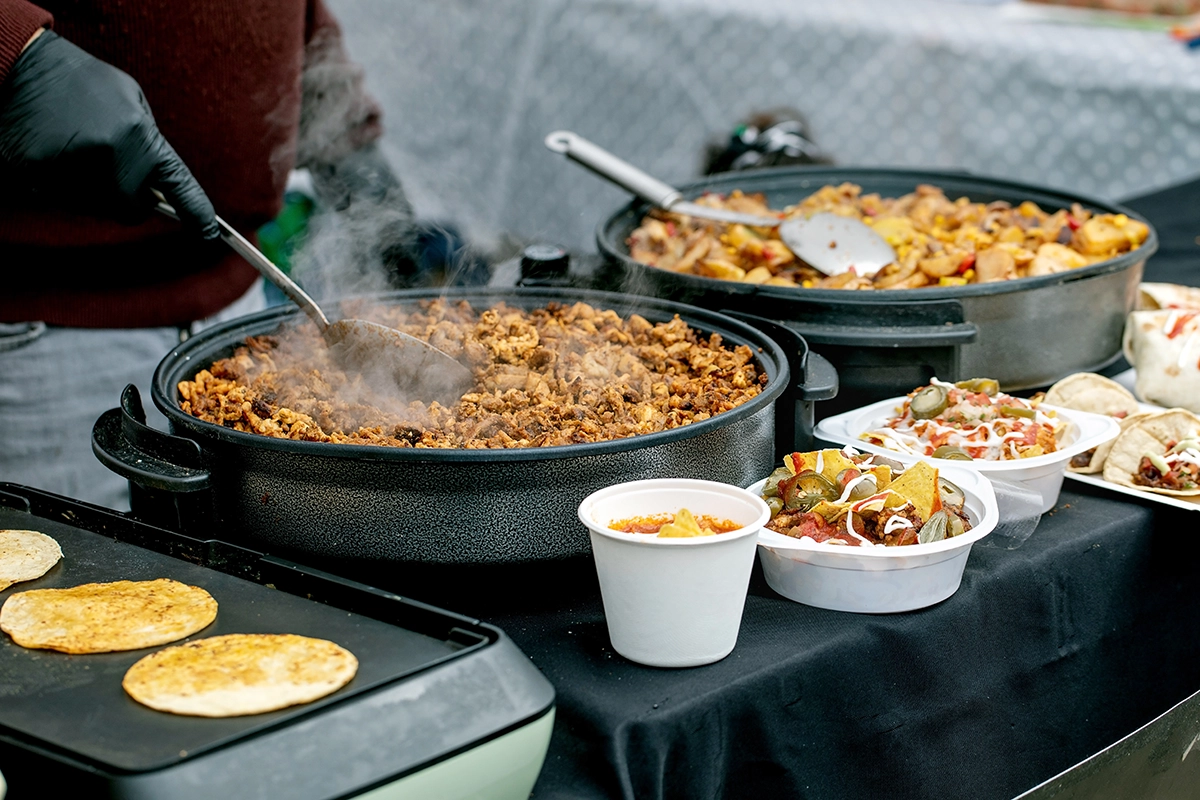
Stations have displaced passive entertainment because children want to participate. Watching a performer is fine; building your own taco is better. Datassential's research on Generation Alpha points to the same instinct repeatedly: customization and menu flexibility are what this generation responds to. There is a practical bonus, too: a station is an activity, and it absorbs twenty minutes of party time on its own.
Formats that work for children
- Build-your-own tacos, sliders, or flatbreads. Familiar base, adventurous toppings.
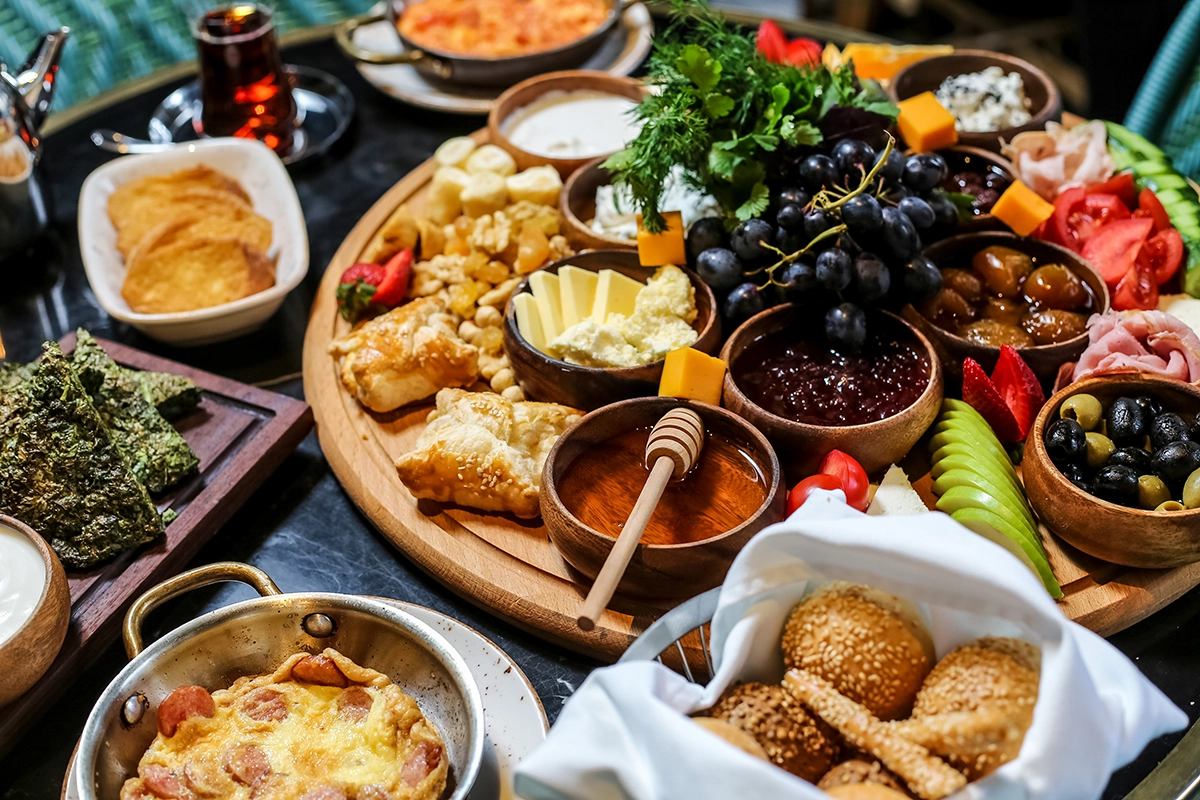
- Kid-scaled snack boards. A miniature charcuterie concept that reads grown-up and actually gets eaten.
- Toppings bars. The most flexible option: the base is recognizable, and the exploring happens above it.
What stations demand behind the scenes
Stations need flow, prep space, often power, and somewhere guests can circulate without a bottleneck. Most importantly, they need a person. An unattended station with young guests becomes a mess — and, in this climate, a food safety problem. That is what full catering services exist for, and why an in-home dining experience translates surprisingly well to a children's celebration.
The Gen Alpha Palate: Picky and Adventurous at the Same Table
Every parent recognizes the contradiction. The same eight-year-old who happily eats pad thai will refuse a sandwich cut into squares instead of triangles.
Both are true at once. Datassential's January 2026 study of 754 parents found more than 80% say their child's tastes broaden with age — while nearly half describe that same child as a picky eater.
The direction of travel is clear, though. Razorfish research found 85% of Gen Alpha say they like trying different foods, and 70% have eaten something they first saw on social media. Kids' menus have followed, with fajitas, boneless wings, and mini quesadillas displacing the old nuggets-and-buttered-noodles default.
Age matters enormously. Children aged three to six skew conservative; from about seven upward, curiosity opens up. A party for five-year-olds and a party for ten-year-olds are genuinely different briefs.
The resolution is straightforward: familiar format, adventurous inside. And one unbreakable rule — never build a menu without a landing pad for the cautious eater. Something plain and freely available means no child goes hungry and no parent spends the party apologising.
The Dessert Moment Has Outgrown the Cake
The cake still gets the candles. It is no longer the whole dessert plan.
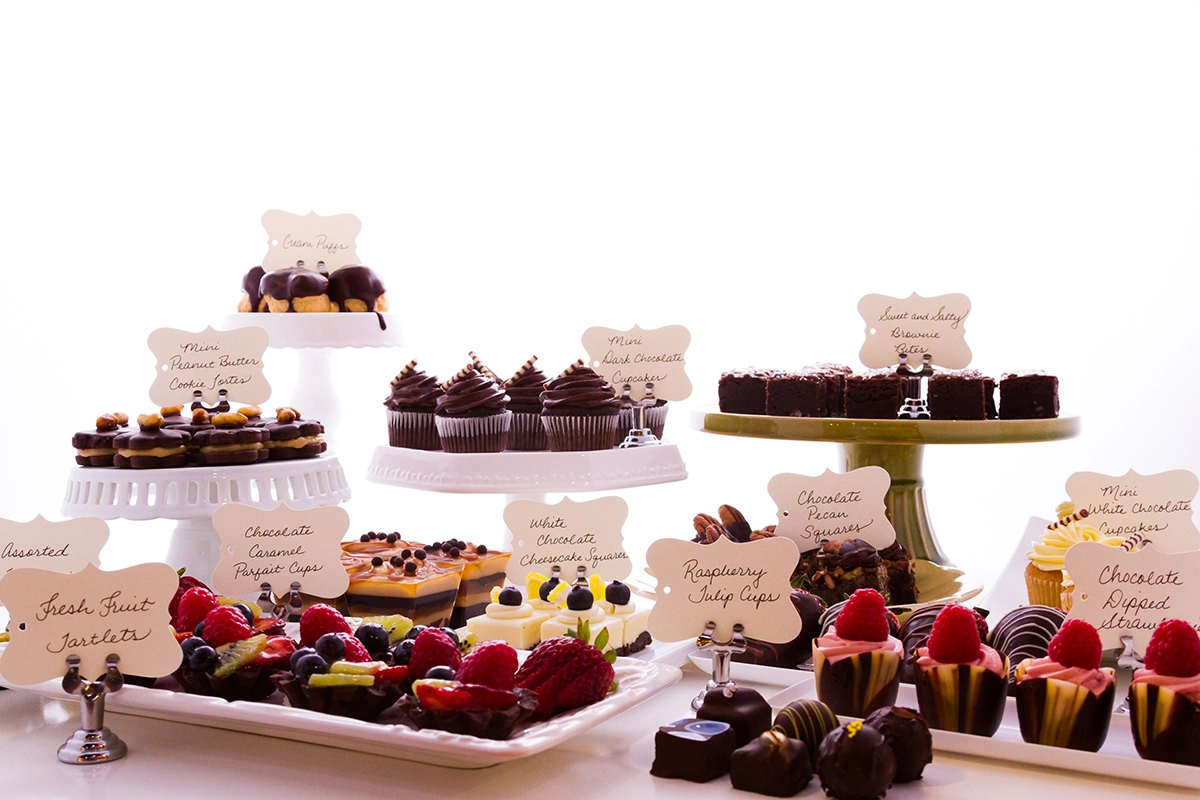
Dessert tables have become theme anchors — the visual centrepiece everyone photographs. Individually portioned desserts have taken over for practical reasons: cleaner in small hands, self-portioning, and labellable, which matters enormously for allergies.
One Arizona note before the next section. Dessert is where heat does damage soonest. Buttercream, ganache, tempered chocolate, and anything cream-filled behave very differently here than in a photograph taken in Portland. A good dessert catering plan is built around the forecast, not just the theme.
Allergy-Aware Menus Are the Baseline Now
The scale of it
Roughly one in 13 American children has a food allergy — about two per classroom, according to Food Allergy Research & Education. Invite a class of twenty and assume allergies are in the room whether or not anyone mentioned it. Around 40% of affected children react to more than one food. Sesame became the ninth federally recognized major allergen in 2023 under the FASTER Act, a change many home cooks never registered.
What good practice looks like
Label everything, including the obvious. Treat cross-contact as the real risk — shared serving utensils on a build-your-own station are the classic trap, and one spoon moving between containers undoes careful planning.
Design so the allergic child builds from the same bar as everyone else rather than receiving a separate plate. That is the difference between accommodation and inclusion, and children notice immediately. Ask on the invitation, and make sure the answers reach whoever builds the menu.
The Scottsdale Variable: Planning a Party Around the Heat
This is where national party advice gets our market wrong, and it is the most useful thing in this article.
The one-hour rule most hosts have never heard
FDA guidance for eating outdoors centers on the "danger zone" between 40°F and 140°F, where bacteria multiply quickly. The standard rule is that perishable food should not sit there longer than two hours.
But there is a second clause. Above 90°F, that window shrinks to one hour.
Set that against the local climate: Phoenix averages more than 100 days a year at or above 100°F, according to National Weather Service climate normals.
For a substantial stretch of the Scottsdale calendar, an outdoor party runs on the one-hour clock. It is why a beautiful spread that sat out for the length of a normal party may not be safe to keep serving — and it governs the leftovers you were planning to send home.
The answer takes equipment and attention. Hot food held at 140°F or above. Cold food at 40°F or below, nested in ice. Small platters replaced often from a cooled reserve, rather than one large display slowly surrendering to the afternoon.
Working with the calendar instead of against it
Scottsdale has two party seasons. From roughly October through April, outdoor entertaining here is close to perfect and a full station setup makes sense. Through the hot months, change the shape of the day rather than fight it — move indoors, or move earlier.
Morning celebrations have become the quiet workaround, which is part of why brunch catering has grown locally for children's parties. A 10 a.m. start sidesteps the afternoon entirely and suits younger schedules anyway.
Shade is infrastructure, not decoration. If you are booking a city ramada, reserve well ahead — Scottsdale's popular park sites go early, and reservations open on a fixed window you will want to confirm with Parks & Recreation.
Don't Forget the Grown-Ups
Here is the number that catches hosts out. In our experience, for children under about five the parents stay — so a party for fifteen children may be a party for forty people. Drop-off tends to start around six or seven, and even then some adults linger.
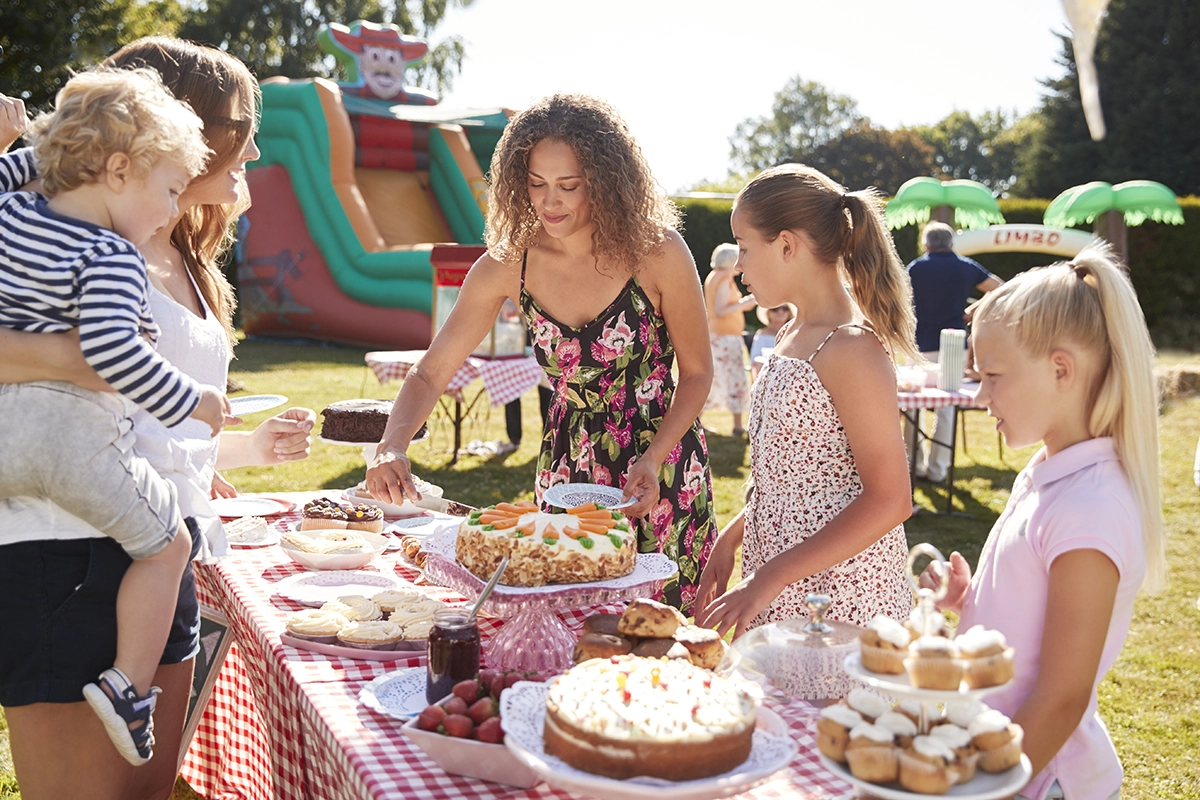
The rule is simple: if the party overlaps a mealtime and adults are staying, they need to eat. An 11 a.m. to 1 p.m. party is a lunch, whatever the invitation says. Under-catering the adults is the most common planning error in children's party catering.
The elegant solution is one menu on two registers — a shared table where kid-friendly and adult-facing items sit together. The same sliders, with a sharper cheese and a good aioli at one end. Nobody needs a separate adult buffet.
Two things people forget in this climate: water, in far greater quantity than seems necessary, and good coffee.
Turning It Into a Plan
Choosing your service format
Four broad levels, and the difference between them is really who holds the risk.
Drop-off is the most affordable. Food arrives and everything after is yours, including that one-hour clock. It works for cooler months and menus built from items that hold.
Staffed buffet puts someone on site managing replenishment and holding temperatures — often the difference between a summer spread that works and one cleared early. Buffet catering remains the most flexible format for mixed-age crowds.
Attended stations deliver the interactive experience above, with staff running each one.
Full service covers setup, service, and breakdown end to end — which, for a parent hosting at home, is frequently the entire point.
How much food to order
As a planning rule, we count children at roughly half to two-thirds of an adult portion — and less at a party, because they are distracted and moving. The common mistake is over-ordering for the kids and under-ordering for the adults. Count the adults honestly. For cake, plan one slice per person if there are other desserts, one and a half if the cake is the main event.
Timing and lead time
Prime weekend dates in Scottsdale fill first, particularly in the pleasant months. How much notice a caterer needs varies with season and demand, so reach out as soon as you have a date in mind — even before the details are settled.
Have these ready: date and timing, headcount split between children and adults, venue and whether it is indoor or outdoor, the birthday child's age, theme direction, and any known allergies.
Worth asking in return: Are you licensed and insured, and can you provide a certificate of insurance if my venue requires one? How do you handle allergens and cross-contact? How many staff will be on site? What does setup and cleanup include?
Planning a Themed Children's Party in Scottsdale?
Every party we cater starts the same way — a parent, a date, and a child with very specific ideas about the day.
At Tableside Gourmet, we build children's party menus around the theme you have chosen, the ages in the room, the allergies on your list, and the temperature outside your back door. Attended stations for twenty seven-year-olds, a morning brunch that beats the heat, a dessert table that becomes the photo everyone takes — we handle the food so you get to be at your own party.
Tell us your date and your theme. Learn more about our birthday party catering in Scottsdale, or get in touch to talk through your celebration.
Frequently Asked Questions
How much should I budget for children's party catering?
Nationally, the average children's birthday party runs around $314 all in, according to a 2024 Everyday Health Group survey — though that figure covers the whole party rather than catering alone, and comes from a relatively small sample of parents with young children. Catered parties sit above it, and the honest way to think about the number is per head rather than as a lump sum. Ask for pricing broken out by adults and children separately, and confirm whether staffing, rentals, and cleanup are included or quoted on top. Those line items move the total more than the menu does.
Is it worth hiring a caterer for a small party of ten or twelve kids?
Often, yes — for different reasons than a large party. At that size you are not buying capacity, you are buying your own attention back. Small parties still need someone watching holding temperatures, refreshing platters, and managing an allergy at the station, and that person is otherwise you. A smaller guest list also opens up a more interesting menu, since the budget stretches further across fewer plates. How each caterer handles smaller bookings varies, so it is worth asking.
What if my venue has no kitchen — a park ramada, an HOA clubhouse, or a rental home?
A normal Scottsdale scenario, and entirely workable. What changes is the equipment plan. Ask what your caterer brings: chafing units, ice wells, generators or battery power, and water access assumptions. Confirm your venue's rules too — HOA common areas and city parks each have their own requirements, and many ask vendors for a certificate of insurance. Sort that out at booking, not the week of.
When during the party should food actually be served?
Earlier than most hosts plan. The reliable pattern is a short arrival window, food roughly thirty to forty minutes in, then cake near the end. Serving too late means children are overtired, over-sugared, or already being collected. It matters for safety too — the sooner food goes out, the sooner it comes in, keeping you inside the holding window on a warm day. Build the timeline backward from pickup time.
Can you work with a cake or dessert I ordered elsewhere?
Usually, and it is worth asking rather than assuming. Many families have a bakery they love or a decorator tied to the theme, and a good caterer will coordinate around that — handling storage, timing, and serving so the cake reaches the table in the condition it left the box. Clarify who cuts and serves it, and whether plates and cleanup are covered. In this climate, also ask where the cake will be held before it appears.