Table Of Contents
Scottsdale Catering in 2026: What's Working at Events Now
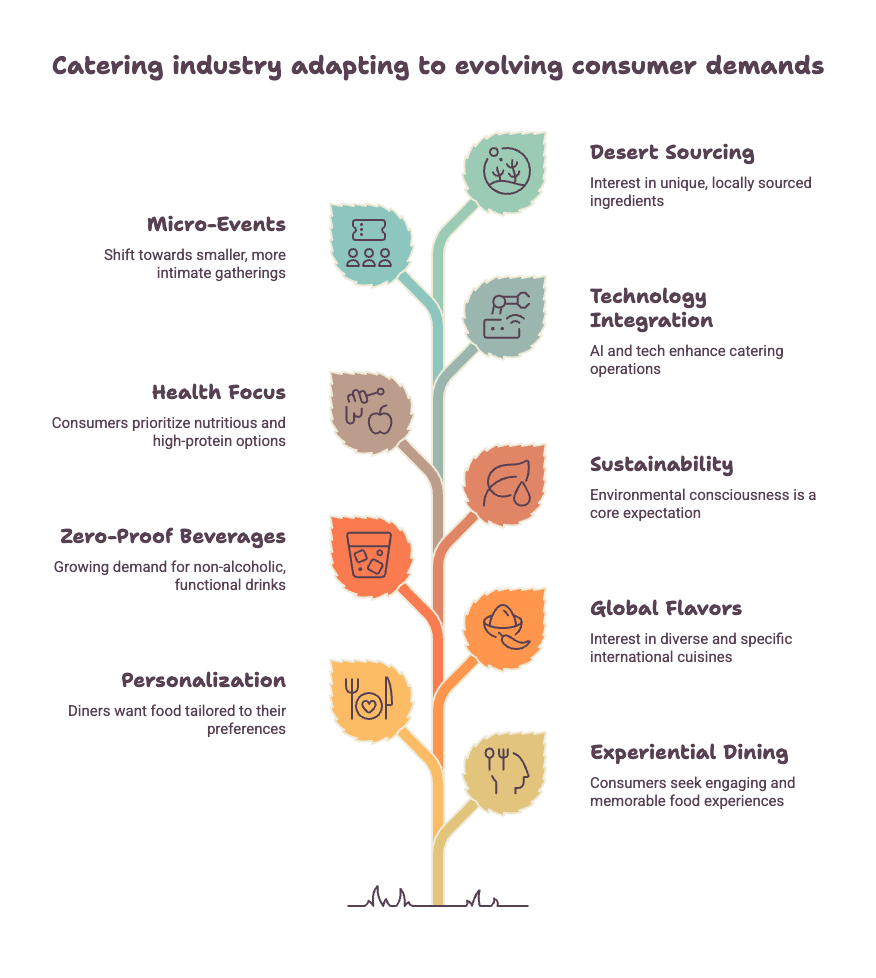
The way we gather around food is changing, and 2026 is making that clear. Catering is no longer the practical box you check after booking a venue. It now sits beside décor, entertainment, and location as a core part of how an event feels and how guests remember it. The National Restaurant Association's 2026 What's Hot Culinary Forecast, built on insights from hundreds of culinary professionals, points to a year shaped by nostalgia, comfort, and what it calls "flavor escapism", with comfort and value named as the twin pillars guiding American menus right now.
These are national shifts, but they take on a distinct character in Scottsdale. Our desert setting, luxury resorts, and indoor-outdoor lifestyle give these trends room to breathe in ways other cities cannot match. The list below walks through the ten trends defining catering in 2026, why each one matters, and how it shows up at events across the Valley, whether you are planning a holiday celebration, an intimate dinner, or a large social gathering.
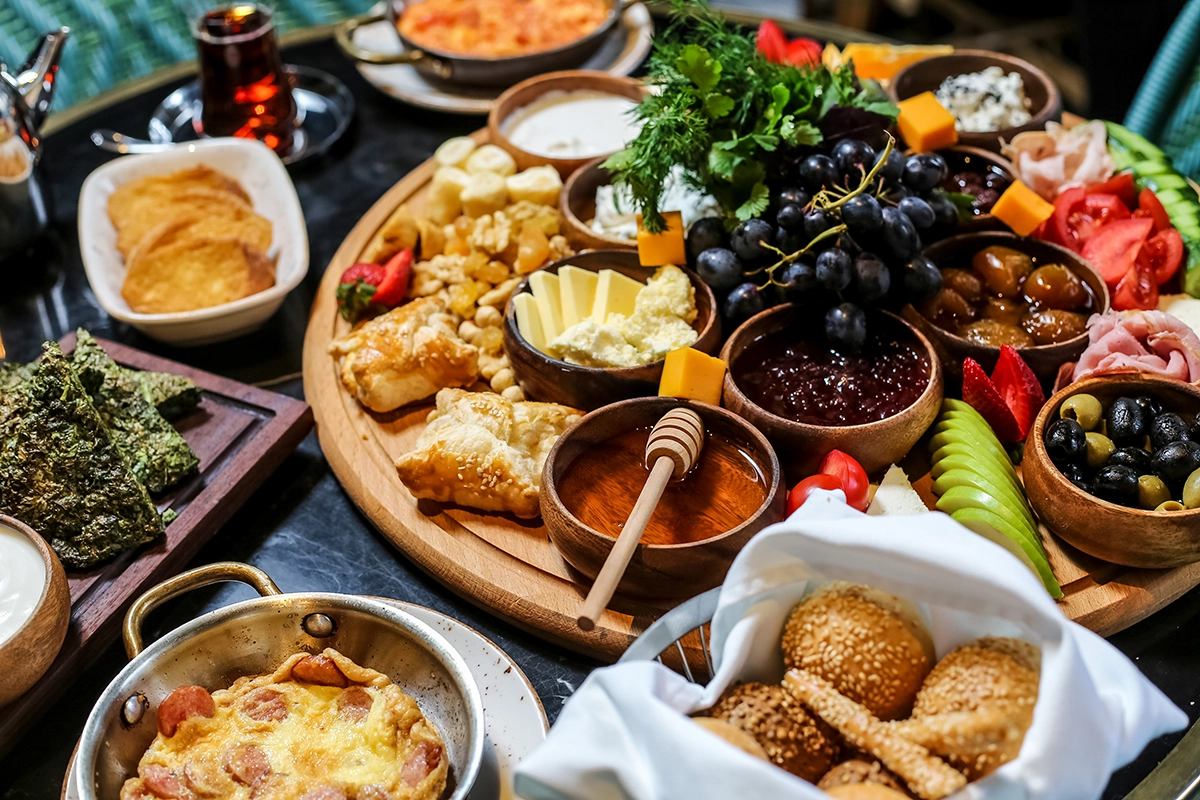
1. Experiential and Immersive Dining: Presence Over Spectacle
The biggest theme of 2026 is also the simplest to state. Luxury is moving away from sheer size and toward intentional, memorable moments. Bigger is no longer the goal. Meaningful is. Industry leaders now describe true luxury as presence, the feeling of being fully absorbed in an experience rather than impressed by its scale.
This plays out through careful sensory design. The most talked-about events in 2026 layer touch, texture, sound, and even scent on purpose. A tablescape is chosen for how it feels under the hand. A room is scored with music that shifts as the evening moves. The aim is an atmosphere that lingers in memory long after the last bite.
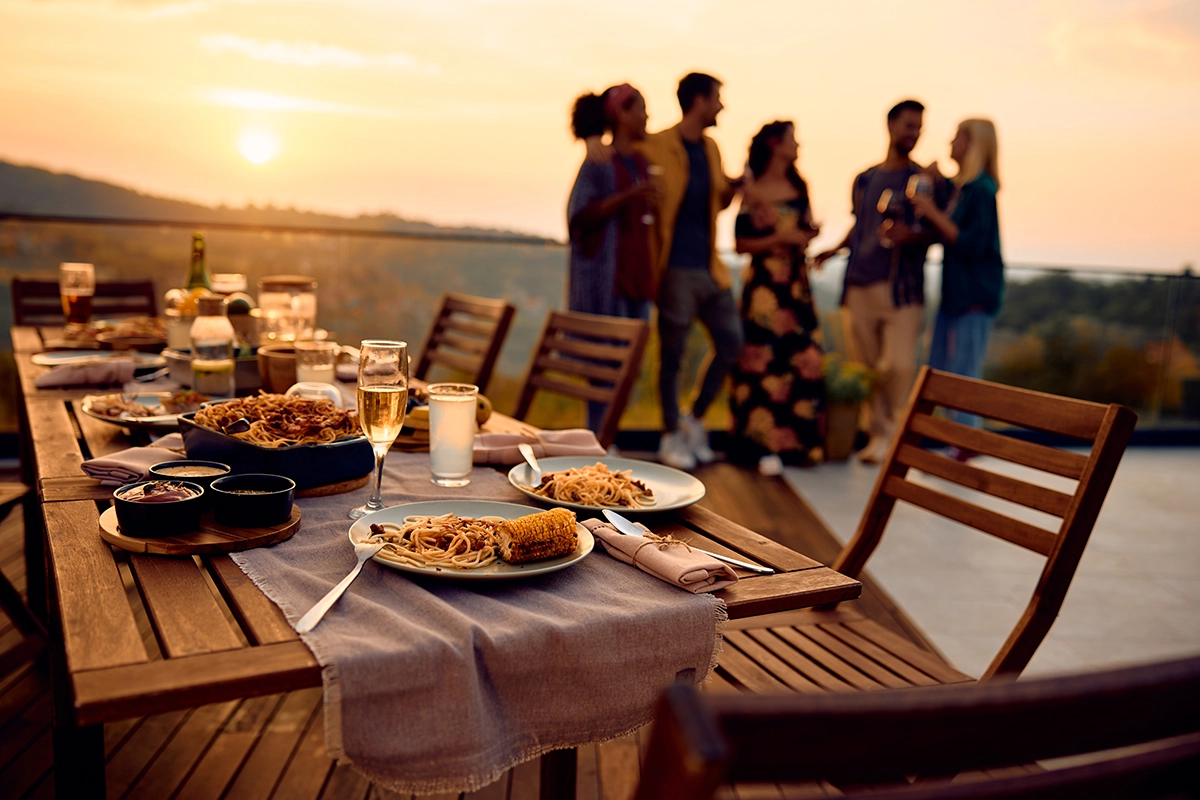
Scottsdale is built for this kind of dining. Local food writers have noted that our scene is becoming "more experiential, not just more expensive," and our climate is a quiet advantage. For much of the year, an event can flow easily between an open kitchen indoors and a starlit terrace outdoors, letting guests move through distinct sensory moments in a single evening.
For hosts, the takeaway is encouraging. A memorable event does not require the largest guest list or the flashiest production. It requires intention. A thoughtfully designed gathering that feels personal and immersive will outshine a sprawling party that feels generic. This is the foundation every other trend on this list builds upon.
2. Interactive and Live-Action Stations
Static buffet lines are giving way to catering that doubles as entertainment. In 2026, food is increasingly something guests watch being made, build themselves, or receive in unexpected ways. The result turns a meal into a show and gives people a reason to talk to one another.
Chef-Fronted Stations
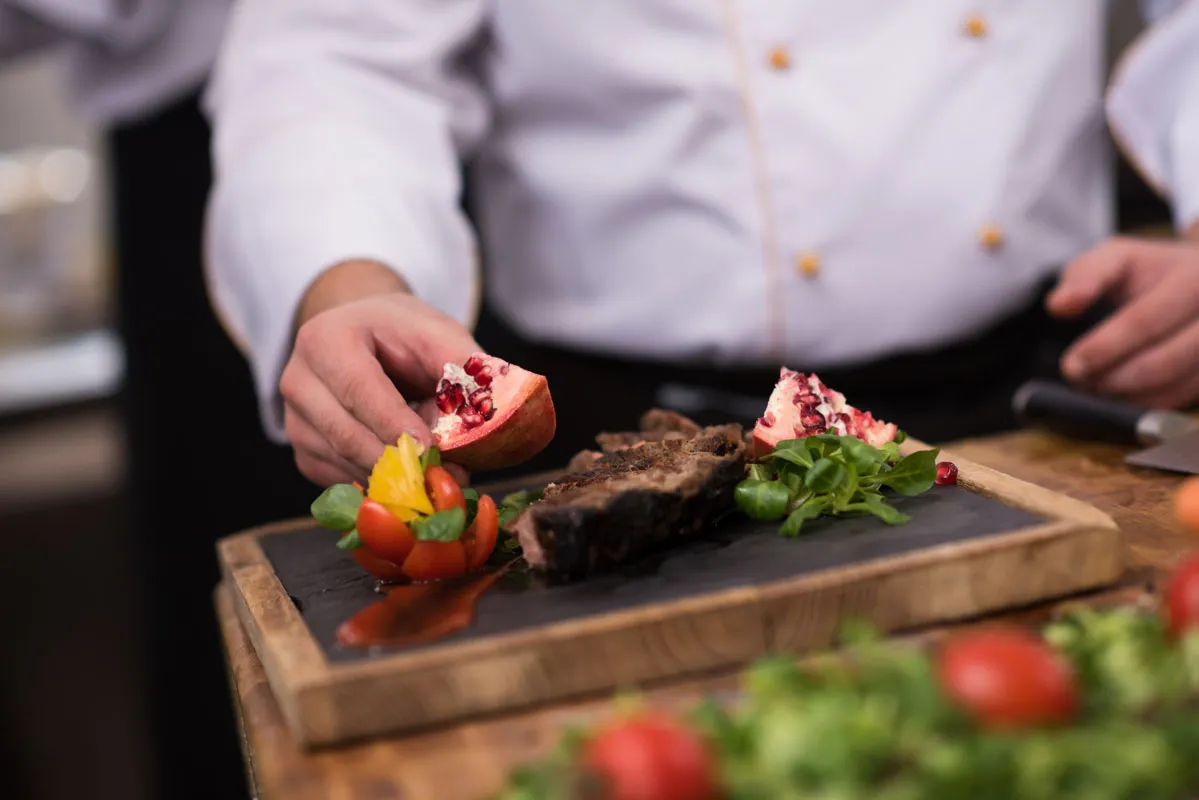
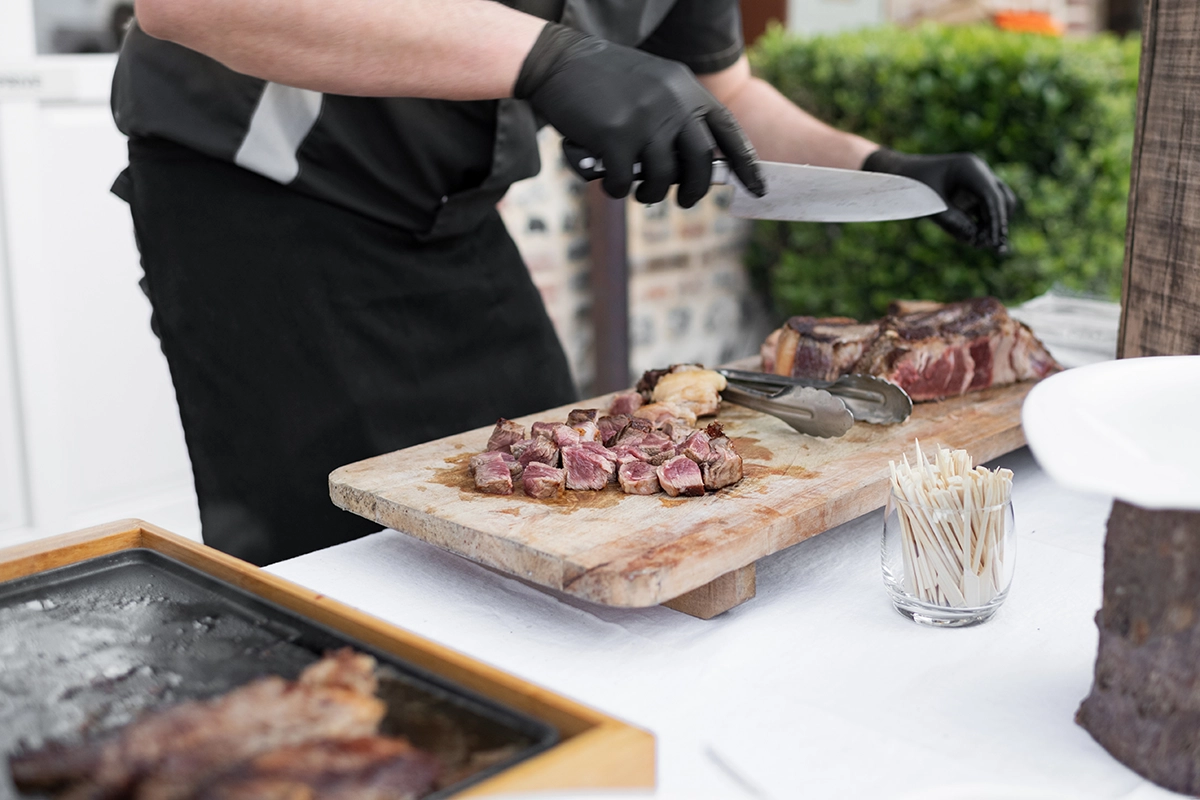
Live cooking sits at the heart of this trend. A chef searing scallops to order, a caviar cart moving through the room, or an oyster shucking station with a range of sauces all create a focal point. These moments draw guests in and signal care and quality. They also give a corporate host an easy way to spark conversation among attendees who may not know each other.
Build-Your-Own Formats
Guests love a hands-on element. Taco bars, ramen bowl stations, poke setups, and elevated salad bars let people customize a dish to their own taste. This adds a sense of play to the meal and naturally accommodates different preferences without anyone feeling singled out.
Traveling Food
Food that comes to the guest is having a moment. Hawker trays, roving carts, and butler-passed bites keep energy high and ensure no one misses a highlight while waiting in line. This approach works beautifully at cocktail-style social gatherings where movement and mingling matter. Across all three formats, the underlying goal is the same: invite participation, and a meal becomes a memory.
3. Hyper-Personalization and Storytelling Through Food
Customization has crossed an important line. It used to be a luxury upgrade. In 2026, it is simply expected. Guests assume a menu will reflect the occasion, the host, and their own needs rather than arriving as a one-size-fits-all spread.
Personalization now runs deeper than picking a chicken or fish entrée. It spans dietary requirements, cultural heritage, the theme of the event, and even the individual tastes of key guests. A milestone anniversary might feature the dishes a couple ate on their first date. A corporate dinner celebrating an international partnership might weave in the flavors of that region. Modern planning tools and detailed client conversations make this level of tailoring achievable even for larger events. The phrase the industry uses is "storytelling through food": every course becomes a chance to reinforce who the host is or what a brand stands for, carrying a narrative from the first passed appetizer to the final dessert.
This matters most at intimate, high-touch events, where the details are noticed and appreciated. When guest counts are smaller, there is room to think carefully about each plate and each preference. The reward is an event that feels made for the people in the room rather than pulled from a template. For weddings, private celebrations, or executive gatherings in Scottsdale, this personal layer is often what separates a good event from one guests describe for years afterward.
4. Quiet Luxury and Elevated Comfort
The NRA's 2026 forecast names nostalgia, comfort, and flavor escapism as defining forces, and two related dining styles bring that idea to the table. Both trade loud extravagance for something more emotionally resonant.
Quiet Luxury
This is indulgence that whispers rather than shouts. Think understated sophistication: a caviar service, bespoke cocktail pairings, and refined plating that feels exclusive without being showy. The luxury reveals itself in quality and detail, not in spectacle. It rewards guests who notice the care behind a perfectly composed bite.
Elevated Comfort and Nostalgia
At the same time, familiar favorites are being reimagined for upscale settings. Gourmet sliders, candied bacon, and elevated takes on childhood treats deliver warmth and a touch of playfulness. These dishes connect with guests on an emotional level, offering the comfort of the familiar dressed up with real culinary skill. In an uncertain world, food that feels like home carries genuine appeal.
Ingredient-Led Restraint
A quieter counter-current is worth noting. Some chefs are moving toward refined menus built on just three or four exceptional ingredients, cooked simply and beautifully. This restraint is its own form of luxury. It signals confidence and lets the quality of each component shine without distraction. Together, these three approaches show that 2026 luxury is less about excess and more about intention. The goal is to make guests feel something, whether that is delight, nostalgia, or quiet admiration for a dish done exactly right.
5. Global and Fusion Flavors With Specificity
Adventurous flavor continues to drive menus in 2026, but with a meaningful shift toward precision. Guests want to be transported, and chefs are answering with bold global dishes and thoughtful fusion.
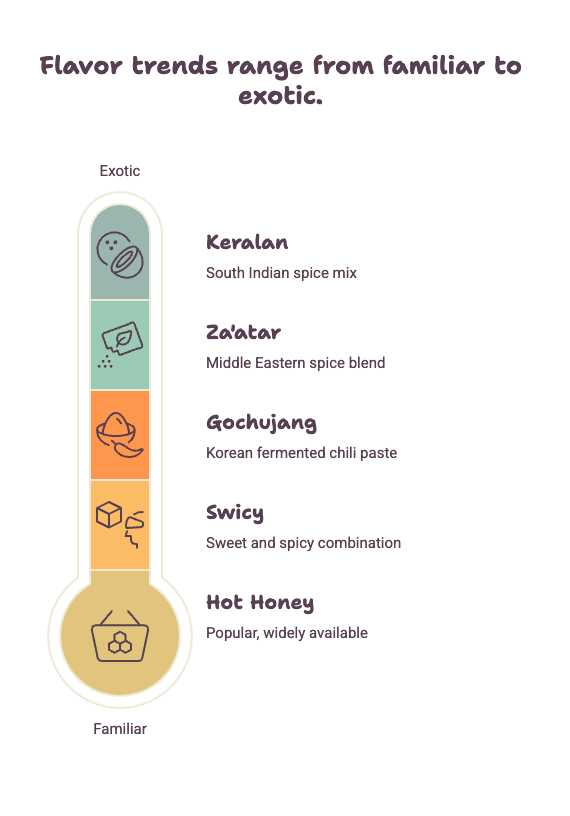
Several flavors are leading the conversation. "Swicy," the blend of sweet and spicy, appears everywhere from glazes to desserts. Hot honey has grown remarkably, climbing nearly 197 percent on U.S. menus over four years, and now turns up on everything from charcuterie to fried chicken. Gochujang, the Korean fermented chili paste, brings a savory-sweet heat that pairs across many dishes. Middle Eastern and North African notes like za'atar, sumac, and pomegranate molasses add depth, while regional Indian cuisine, especially Keralan, is drawing strong interest from American diners.
The defining nuance of 2026 is specificity. Broad regional labels are fading in favor of precise cultural identities. Menus now highlight Filipino, Laotian, or Thai dishes rather than a generic "Asian" category, and distinctly Peruvian preparations rather than a catch-all "Latin" heading. This shift reflects a deeper respect for authenticity and a more knowledgeable guest.
For caterers, the winning formula combines bold, well-executed flavor with careful attention to dietary needs. Fusion done thoughtfully can honor a family's heritage, echo a couple's travels, or blend two cultures in a single memorable plate. The caterers earning client loyalty in 2026 are those who deliver these global flavors with both confidence and accuracy, treating each tradition with the care it deserves while keeping the menu inclusive for every guest at the table.
6. Elevated Zero-Proof and Functional Beverages
The bar has changed, and non-alcoholic options are leading the way. In 2026, a thoughtful zero-proof program is no longer a courtesy afterthought. It is a centerpiece, crafted with the same care as any cocktail menu. A meaningful share of guests now reach for non-alcoholic choices, part of a broad, measurable move toward mindful drinking.
The Zero-Proof Movement
Mindful drinking and the sober-curious lifestyle have reshaped expectations. Younger guests in particular are drinking less than older generations, part of a broader cultural shift toward moderation. They still want to participate fully in a celebration, which means a beautifully made mocktail rather than a soda handed over as a consolation prize.
Functional and Fermented Drinks
Wellness has reached the glass. Functional beverages featuring adaptogens, calming botanicals, and "focus and calm" blends are gaining ground, alongside fermented favorites like kombucha and tepache. Personalized hydration stations round out the offering, letting guests choose drinks that match how they want to feel.
Interactive Beverage Experiences
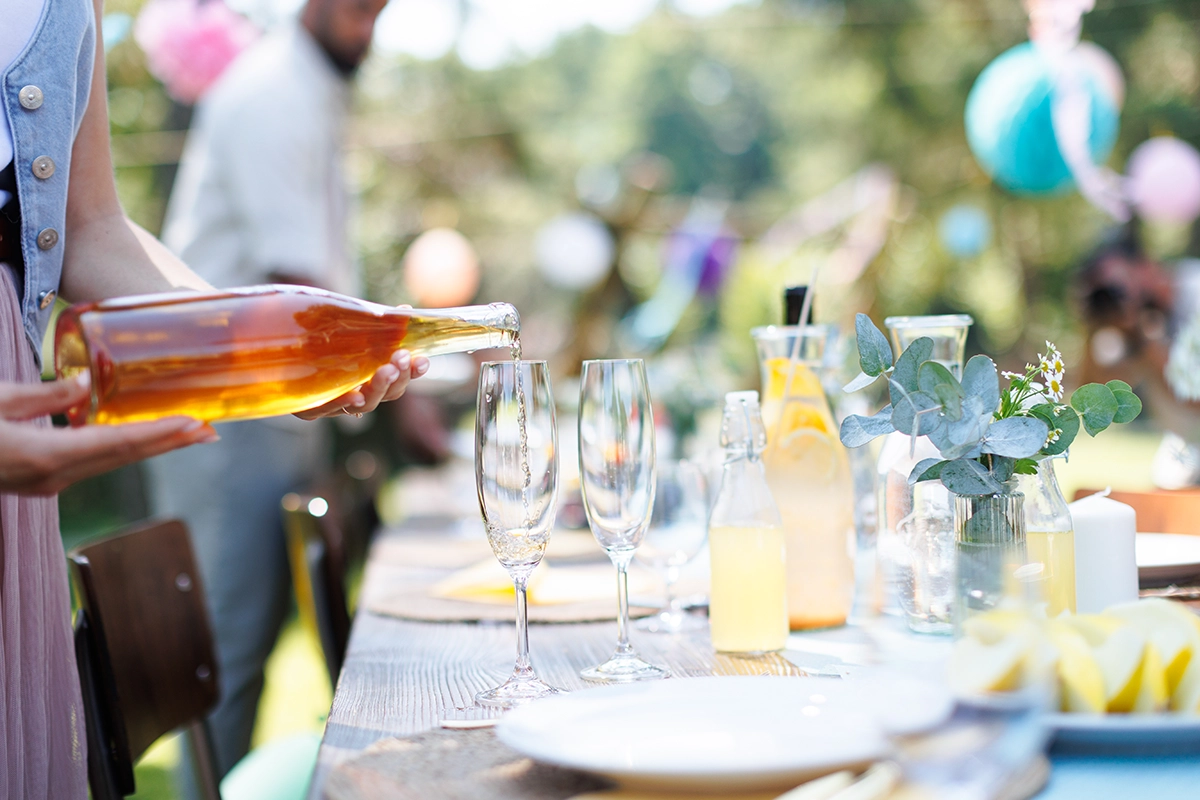
Curated soda bars and signature-drink stations bring the same playful, customizable energy seen in food service. Guests build their own combinations with syrups, purées, and garnishes, and the colorful results often become a photo moment. In Scottsdale, regionally distinctive bases like prickly pear make these drinks both gorgeous and unmistakably local, a natural bridge to the desert sourcing trend we close with below.
7. Sustainability as Baseline, Not Marketing
Sustainability has matured from a nice-to-have into a genuine expectation, especially among corporate clients. In 2026, the conversation is no longer about whether a caterer cares about the environment, but about how specifically they can prove it.
The defining shift this year is from marketing to operations. Vague green claims no longer satisfy informed clients. Buyers now ask pointed questions, such as how packaging is actually disposed of, not just what it looks like. The National Restaurant Association stresses that sustainability has to be communicated clearly and specifically rather than waved at in general terms.
The practices behind these claims are concrete. They include zero-waste operations that compost and recycle rigorously, hyper-local sourcing that may draw ingredients from within a short radius of the event, and carbon transparency that tracks the footprint of a menu. Compostable and reusable materials are replacing single-use plastics, and food-rescue partnerships redirect safe, untouched leftovers to those who need them.
This trend carries real weight in the market. The U.S. contract catering sector is projected to reach 110 billion dollars by 2030, and ethical sourcing is repeatedly named as a driver of that growth. For corporate hosts with their own environmental commitments, choosing a caterer whose values align has become part of due diligence. Sustainability also tends to improve the food itself, since locally sourced, seasonal ingredients are fresher and more flavorful. Doing right by the planet and doing right by the palate increasingly point in the same direction.
8. Health-Forward, Functional, and High-Protein Menus
Wellness is now woven directly into catered menus rather than tucked away as a niche request. In 2026, guests expect dishes that taste indulgent while also supporting how they want to feel, and caterers are designing menus accordingly.
Functional ingredients lead this movement. Superfoods, adaptogens, and components chosen to boost mood or immunity appear across menus, from energizing breakfast spreads to thoughtful snack breaks at corporate events. The idea is food that nourishes as well as satisfies, giving guests both enjoyment and a sense of being cared for.
The standout development this year is a notable reversal around protein. After several years of plant-based alternatives dominating the conversation, animal protein is surging back. Industry data shows 37 percent of consumers increasing their meat consumption over plant-based options, and high-protein eating has become one of the most common dietary patterns in the country, partly driven by the rise of GLP-1 medications. Protein-forward menus are now a mainstream expectation rather than a fitness niche.
One distinction matters for hosts planning a menu. Plant-forward cooking, which centers vegetables in creative and appealing ways, remains very strong even as plant-based meat substitutes lose some ground. Alongside this, allergen-friendly options and clear menu labeling have become essential. Guests appreciate knowing at a glance what fits their needs, and inclusive menus ensure everyone at the table feels considered. A well-planned 2026 menu balances indulgence, wellness, and accessibility without making any guest feel like an exception.
9. Technology and AI Behind the Scenes
Technology is quietly reshaping catering, and the best applications are the ones guests never notice. In 2026, the smartest caterers use these tools to deliver seamless, personalized service, keeping the focus on hospitality rather than gadgetry.
Operational AI
Much of the impact happens behind the scenes. Caterers are using artificial intelligence to plan menus, reduce food waste through better forecasting, and predict how much of each dish an event will actually need. On the administrative side, generative tools speed up proposals, invoices, and follow-ups. The benefit to clients is responsiveness. Questions get answered faster and planning moves more smoothly, which lowers stress during an already busy time.
Guest-Facing Innovation
Some technology does step into the spotlight, carefully. 3D food printing is enabling highly tailored, multisensory plating that would be difficult to achieve by hand. At corporate events, AI photo booths have become popular as branded "content engines," turning a single activation into hundreds of social posts that extend a brand's reach well beyond the room.
A word of honest perspective belongs here. Technology should enhance the human craft of hospitality, never replace it. The warmth of a well-trained server, the instinct of an experienced chef, and the personal attention of a planner remain irreplaceable. Used wisely, these tools free a catering team to spend more of its energy where it matters most: on the people in the room and the experience they carry home.
10. Intimate Micro-Events and Desert-Rooted Sourcing
The final trend brings everything home to Scottsdale, combining a national shift in event size with a sourcing story only the desert can tell.
The Rise of Micro-Events
Large galas are not disappearing, but smaller gatherings are flourishing. Micro-weddings, boutique parties, and intimate executive dinners let hosts invest more per guest, raising the quality and curation of everything served. Fewer people means more thoughtful details, more lavish ingredients, and a more personal experience overall. Scottsdale is ideal terrain for this, with private residences in communities like DC Ranch and Pinnacle Peak, resort settings, and striking destination venues across the Valley.
Desert-Rooted Seasonal Sourcing
Arizona dining in 2026 leans into desert-inspired flavors, regional sourcing, and seasonal menus that shift through the year. This regional focus delivers freshness while giving an event a true sense of place.
The Sonoran Pantry
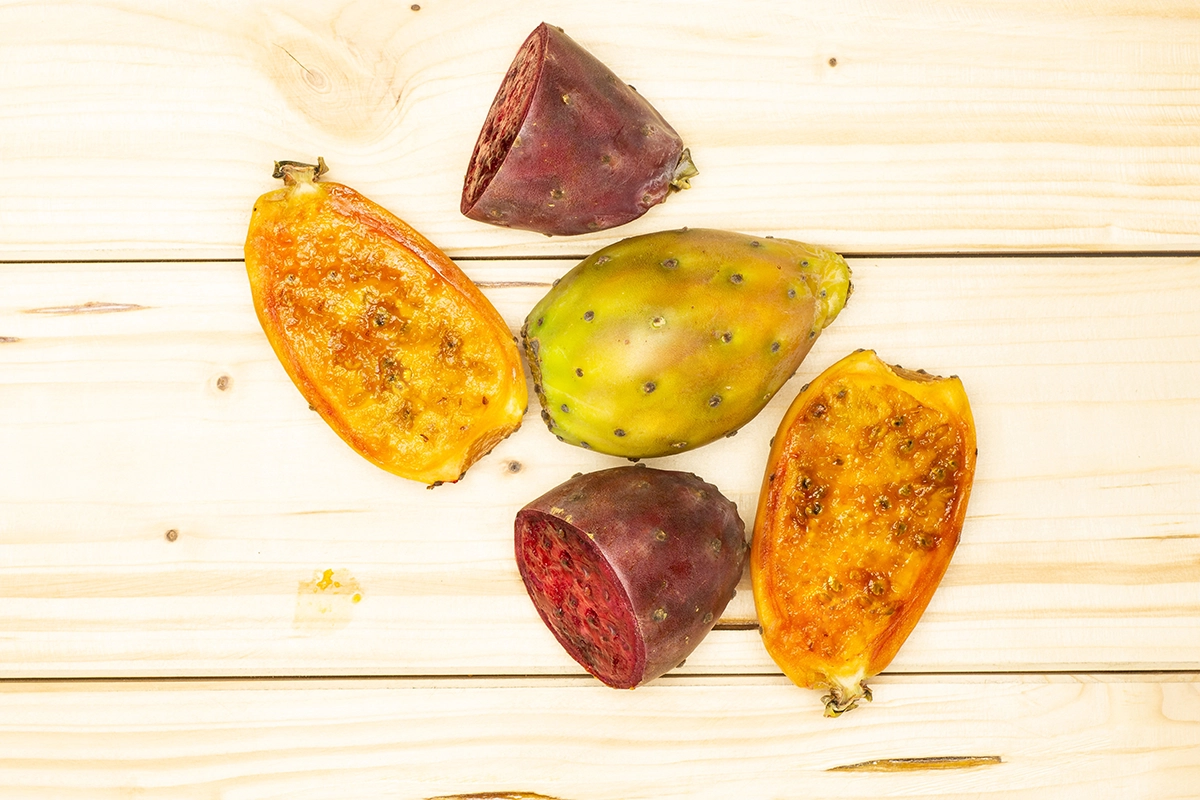
The desert offers genuinely distinctive ingredients that no national competitor can replicate. Prickly pear brings a floral, sweet-tart brightness to everything from glazes to sorbets to mocktails. Mesquite flour lends a sweet, smoky depth to breads and desserts. Saguaro fruit, tender nopales, local citrus, and Arizona-pressed olive oil round out a uniquely Sonoran larder. Built into a menu, these ingredients tell an authentic Scottsdale story that guests remember.
Bringing 2026 Trends to Your Scottsdale Event
Step back, and a clear through-line connects all ten trends. Catering in 2026 is about meaning, experience, personalization, and intention rather than volume and flash. Guests are no longer impressed by size alone. They respond to events that feel considered, immersive, and made with care. From interactive stations and global flavors to zero-proof bars, sustainable practices, and desert-rooted menus, the common thread is thoughtfulness at every step.
These national trends gain a special character in Scottsdale. Our climate, our resorts and residences, and our distinctive desert pantry let hosts express these ideas in ways few other places allow. An immersive outdoor dinner under the stars, a menu touched with prickly pear and mesquite, a beautifully crafted mocktail in hand: this is what 2026 looks like in the Valley. Understanding these trends is the first step. Bringing them to life takes a partner who knows both the wider culinary landscape and the desert it lives in.
Frequently Asked Questions
How far in advance should I book a caterer for a Scottsdale event in 2026?
For peak season, which runs roughly from October through April when the weather draws events outdoors, booking six to nine months ahead is wise for larger gatherings and weddings. Smaller dinners and intimate parties often need less lead time, but the most sought-after dates still fill quickly. Holiday season is especially competitive, so November and December events benefit from an early start. Reaching out sooner also gives you more room to shape a custom menu rather than working within a fixed timeline.
Do these trends make catering more expensive, or can they work on a range of budgets?
Many of 2026's defining ideas are about intention rather than expense. A thoughtfully designed mocktail, a build-your-own station, or a menu built around a few exceptional local ingredients can elevate an event without inflating the bill. The trend toward smaller, higher-quality gatherings actually helps here, since investing more per guest at an intimate event can cost less overall than a large production. A good caterer will help you prioritize the elements that matter most to you and scale the rest accordingly.
How do I accommodate guests with allergies and dietary restrictions without complicating the menu?
The key is planning these needs into the menu from the start rather than treating them as last-minute exceptions. Many 2026 formats, such as build-your-own stations and plant-forward dishes, naturally flex to suit different diets. Clear labeling at stations and on printed menus lets guests choose confidently. Sharing a guest count with known restrictions during planning allows your caterer to design dishes that work for everyone, so no one feels singled out or limited.
What catering style works best for outdoor desert events?
Scottsdale's climate is a gift for much of the year, but it rewards planning. Interactive and passed-food formats keep guests moving and comfortable in open-air settings. Menus that lean on fresh, seasonal, and locally sourced ingredients hold up beautifully and suit the environment. Timing matters too: evening events under the stars are popular for good reason. An experienced local caterer will also account for practical details like shade, temperature, and how a menu travels from kitchen to terrace.
How do I choose between a buffet, plated service, and food stations?
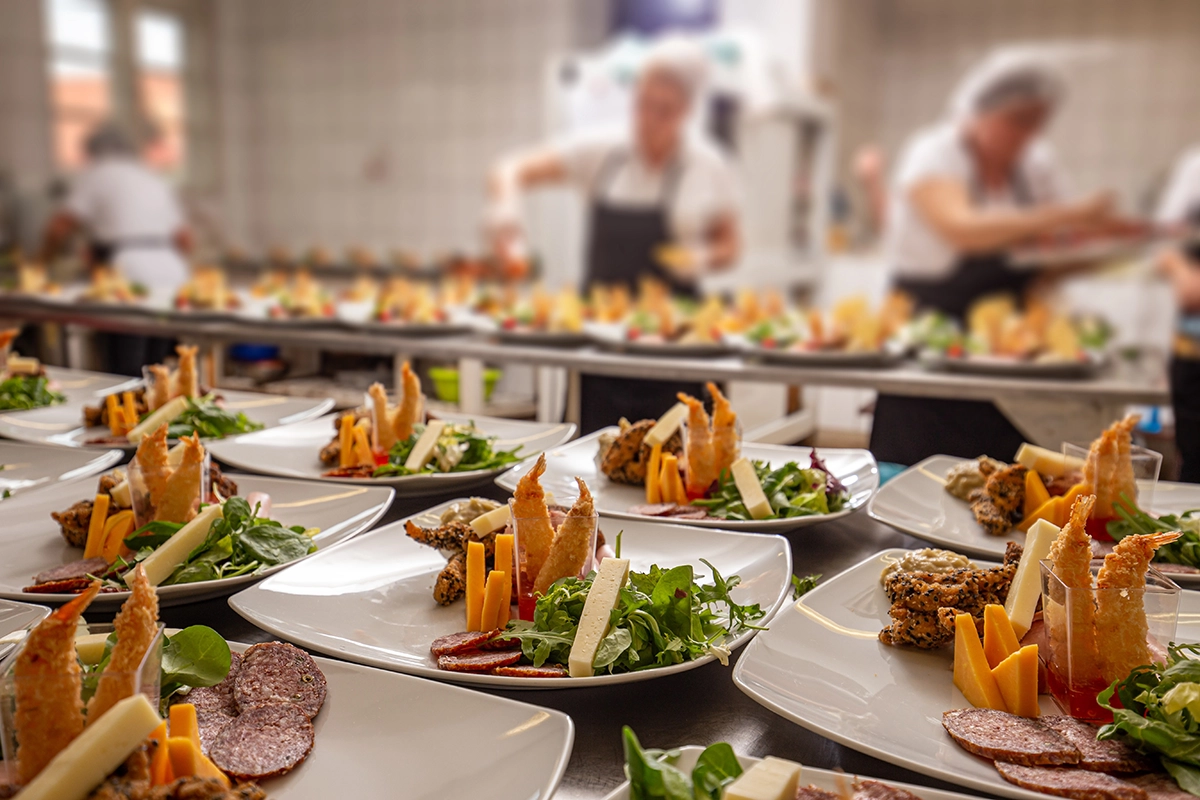
Each suits a different mood. Plated service feels formal and works well for seated dinners and milestone celebrations where pacing matters. Food stations and interactive setups encourage mingling and energy, making them ideal for social gatherings and corporate receptions. Buffets offer variety and flexibility for casual events. Many 2026 events blend formats, perhaps a passed-appetizer reception followed by a plated dinner. The right choice depends on your guest count, venue, and the kind of experience you want people to remember.
Plan Your Next Event With Tableside Gourmet
At Tableside Gourmet, we bring these 2026 trends to life for events across Scottsdale and the greater Phoenix area. As a luxury catering company rooted in the desert, our team designs immersive, personalized experiences that reflect both the latest in culinary thinking and the unmistakable character of Arizona.
Whether you are planning a holiday celebration, an intimate social gathering, or a full-service event with rentals and styling, we would love to help you craft a menu and an experience your guests will remember. Explore our catering services to learn more, and reach out to start a conversation about your upcoming occasion.
Let's create something memorable together. Contact Tableside Gourmet today.